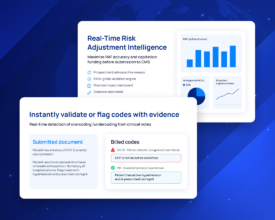
John Snow Labs launches Martlet AI, setting new standards for risk adjustment with healthcare large language models to improve coding accuracy and outcomes.
The first of several new spinoff companies, Martlet.ai reimagines how payers and providers approach HCC coding with an on-premise, secure, AI-based solution John Snow Labs, the AI for healthcare company,...
Adverse events remain a persistent and costly challenge in healthcare. From medication errors and delayed diagnoses to post-operative complications, these incidents undermine patient safety and inflate the cost of care....
It’s 7:30 a.m. on Monday. A 42-year-old patient logs into her health system’s virtual assistant, concerned about burning while urinating that started overnight. Within minutes, she’s answering context-aware questions, not...
In a busy hospital in the Midwest, a nurse reviewing patient notes notices a pattern: a middle-aged man admitted for pneumonia had also reported mild dizziness and blurred vision during...
How is AI redefining functional medicine? Functional medicine is undergoing a transformation, powered by artificial intelligence. At the core of this evolution is a shift away from managing symptoms toward...



 Demos
Demos




































 See More